
The role of financial inclusion for minorities in the US in 2025
Boost your finances with financial inclusion in the US by 2025!
Financial empowerment plays a crucial role in the lives of minorities in the US, especially as we move into 2025. For many, access to resources and opportunities in finances paves the way for a more equitable society.
Economic inclusion not only fosters individual growth but also supports broader community development. In tackling systemic disparities, it's essential to explore how financial tools and services can be made accessible to everyone, transcending traditional barriers of race and ethnicity.
The impact of economic inclusion on minority communities
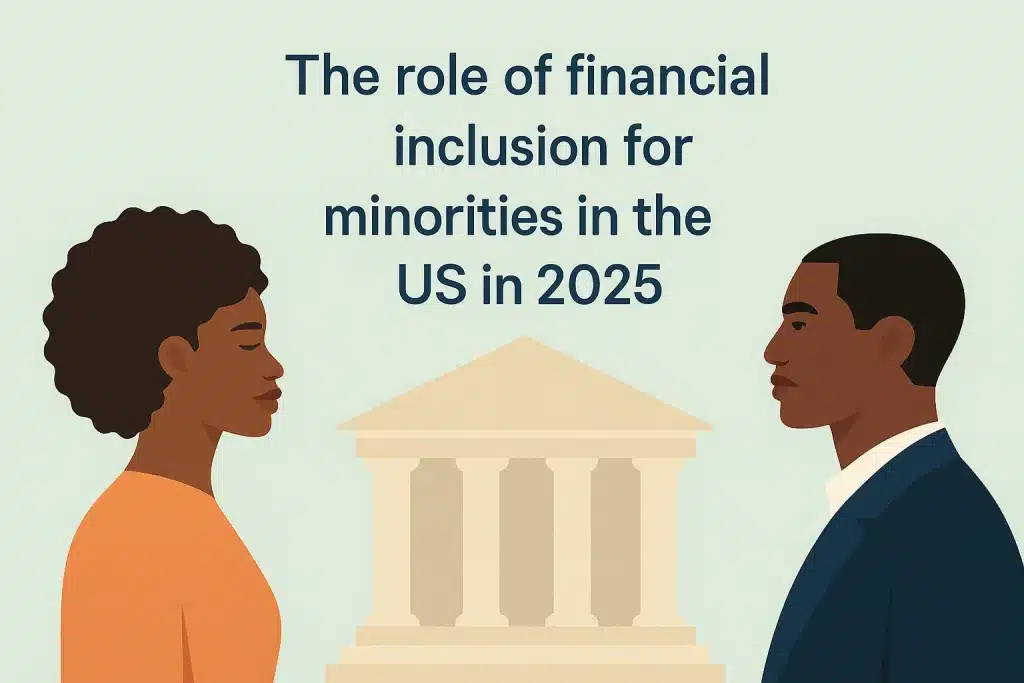
Financial inclusion is about removing the obstacles that prevent access to financial services for certain groups. In the US, minorities often face challenges in securing such access due to long-standing socio-economic disparities. By reducing these barriers, we can help not only to improve their financial health but also to generate economic opportunities that benefit entire neighborhoods.
Greater access to bank accounts, credit, and affordable loans enables minority communities to participate more actively in the economy. When all groups are invited to take advantage of economic opportunities, it encourages innovative solutions and strengthens the social fabric, fostering a society where everyone has a stake in the future.
Steps towards advancing financial equity
To advance financial equity, it is necessary to acknowledge and address the systemic barriers that have traditionally excluded minorities from economic participation. Financial institutions must implement policies that actively promote diversity and inclusion, such as fair lending practices and diverse hiring.
An increased focus on financial literacy programs is crucial. Educating individuals about budgeting, saving, and investing can empower them to make informed decisions and take control of their economic futures. Tailored financial education that takes cultural needs into account will resonate more deeply and have a lasting impact.
Practical strategies for fostering inclusion
Creating a more inclusive financial system requires targeted strategies that address the unique needs of minority groups. Digital banking platforms can revolutionize the way minorities access financial services by offering user-friendly options and removing physical barriers.
Financial technology, or fintech, provides innovative solutions that can bridge gaps in access. Mobile banking, peer-to-peer lending, and decentralized finance models offer alternative avenues for economic participation. By leveraging technology and community networks, these solutions present a path forward in creating a more equitable financial ecosystem.
Empowering individuals through actionable initiatives
Empowering individuals starts with providing them the tools they need to succeed. Microfinance initiatives and small business programs can provide minority entrepreneurs with the capital required to start or expand their ventures. Tailored mentorship programs that match minority individuals with experienced professionals can also foster growth and open doors to opportunities previously out of reach.
Policymakers play a pivotal role in driving change through legislation that supports economic inclusion. Policies that promote transparent credit practices and protect against predatory lending will ensure that financial services are fair and accessible to all.
Conclusion: A path to equitable growth
The pursuit of financial inclusion for minorities is critical in building a stronger, more equitable US economy. By ensuring everyone has access to vital financial services and education, we can close the wealth gap and promote a more inclusive society.
As we look to the future, the role of economic inclusion becomes a cornerstone of both individual and collective prosperity. By fostering an environment where all individuals and communities can thrive, we are building a resilient foundation for future generations. The journey towards financial equality is ongoing, but with dedication and action, a more inclusive future is within reach.