
Real estate investment through tokenization: the new frontier of REITs in the U.S.
Unlock new opportunities in real estate investments through tokenization, the frontier for REITs!
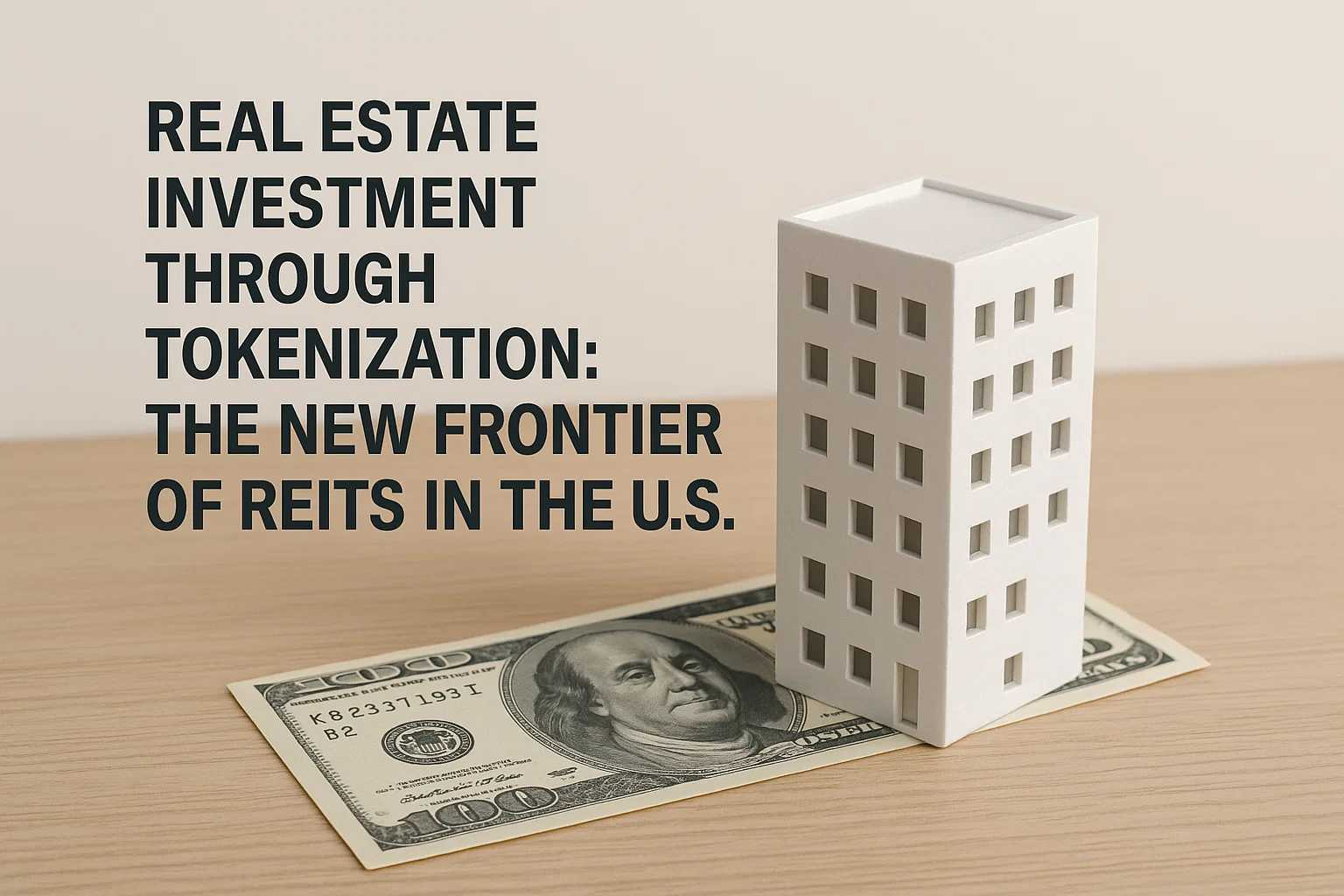
In recent years, the landscape of real estate has experienced transformative changes, and one of the most exciting developments is investments through tokenization. This innovative approach is redefining how investors participate in the real estate market, democratizing access, and enhancing liquidity.
As technology continues to advance, it opens up new avenues for investors to explore and capitalize on. Tokenization is one such advancement, offering both seasoned investors and newcomers a fresh way to engage with the market.
What is tokenization in real estate?
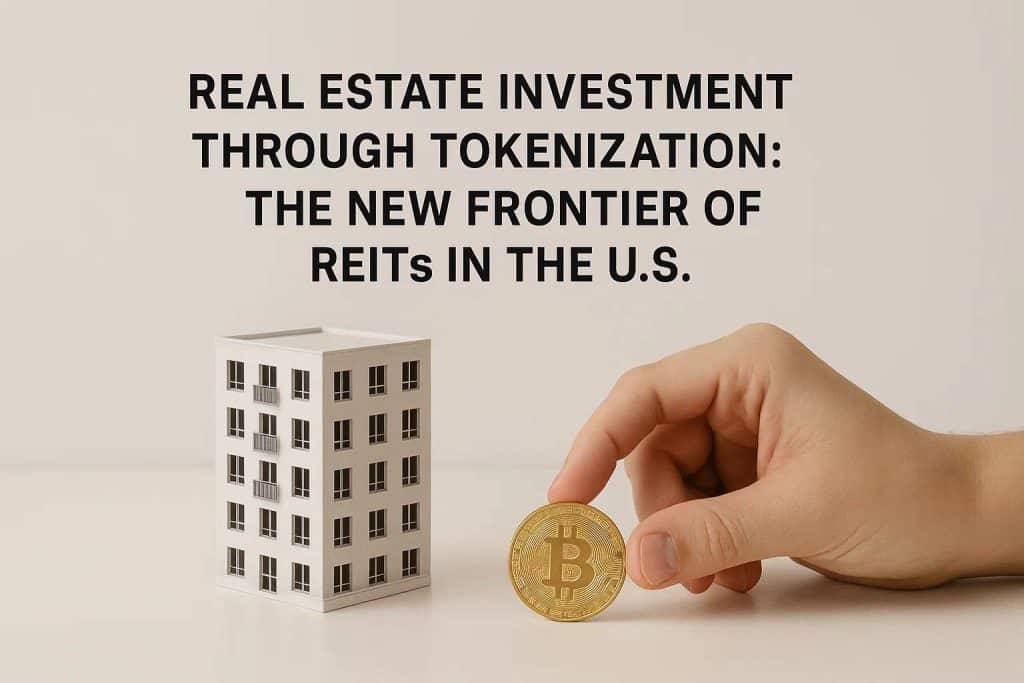
Tokenization refers to the process of converting a physical real estate asset into a digital token on a blockchain. Each token represents a share in the property, allowing investors to purchase these tokens and, in essence, own a fraction of the property.
The benefits of this approach include increased transparency and efficiency in transactions. With blockchain technology underpinning these transactions, investors can expect enhanced security and easier transferability of their investments. Additionally, tokenization can lower the barriers to entry for smaller investors, making real estate investment more inclusive.
The impact on traditional REITs
Traditional Real Estate Investment Trusts (REITs) have been popular for years due to their ability to provide a steady income stream through dividends. However, tokenization offers a modern twist to this classic investment tool. With tokenization, fractional ownership becomes not only a concept but a practical reality, potentially offering more frequent returns and greater autonomy to investors.
However, there are challenges to consider. Regulatory frameworks around tokenized assets are still evolving, which might pose some hurdles for widespread adoption. As the landscape continues to develop, both investors and regulatory bodies will need to adapt to ensure that tokenization becomes a mainstream choice, complementing traditional REITs.
The role of blockchain
Blockchain is the foundation on which tokenization is built, providing the necessary infrastructure for secure and efficient transactions. This distributed ledger technology ensures that all transactions are transparent and immutable, minimizing the risk of fraud. For investors, this means having a trusted and verifiable record of their investments.
Moreover, using blockchain in real estate allows for smart contracts, which can automate and streamline processes, such as rental agreements and dividend distributions. These enhancements not only improve the efficiency of real estate transactions but also reduce overhead costs. As blockchain technology continues to mature, its application in real estate is expected to grow even further.
Practical considerations for investors
For those considering entering the tokenized real estate market, there are some practical steps to keep in mind. First, it's essential to research the platforms offering tokenization services and ensure they comply with regulatory standards. Understanding the terms of investment, fees involved, and the liquidity of the tokens is crucial for making informed decisions.
Investors should also consider diversifying their tokenized real estate portfolio to mitigate risks, complementing it with traditional REITs or other investment vehicles. By staying informed and cautious, investors can leverage the advantages of tokenization while navigating its complexities with confidence.
Embracing the new frontier
The tokenization of real estate represents a new frontier in investment opportunities, combining the traditional appeal of real estate with the modern efficiencies of blockchain technology. For investors in the U.S. and beyond, this trend promises greater access, flexibility, and control over their investment choices.
As the real estate market continues to transform, staying informed and adaptable is crucial. For those willing to embrace these changes, the future of real estate investment through tokenization offers exciting possibilities and the potential for substantial growth. In embracing this new approach, investors can position themselves at the forefront of a rapidly evolving sector.