
How to navigate sustainable energy tax credits and deductions for homes in the US
Discover how to maximize sustainable energy tax credits and deductions to save on home energy costs in the US!
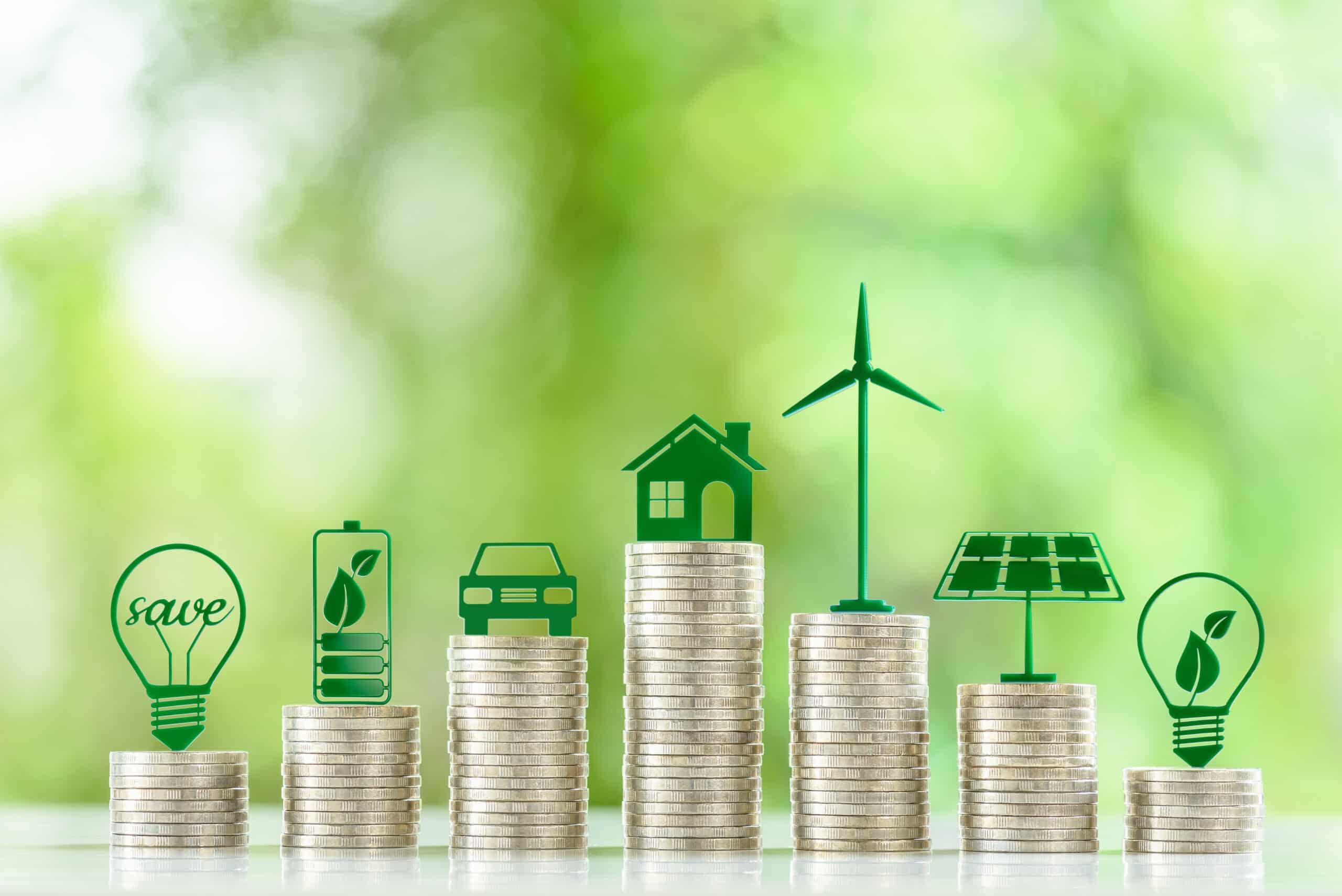
As homeowners become more environmentally conscious, understanding how to navigate energy tax credits and deductions in the US is crucial. With countless incentives available, maximizing benefits can significantly reduce the costs associated with implementing eco-friendly solutions.
This comprehensive guide will help unravel the options available, simplifying the process and allowing homeowners to make informed decisions. From solar panels to energy-efficient appliances, embracing sustainable changes in your home not only helps protect the environment but can also offer substantial savings. Let's delve into the world of energy incentives.
Understanding home energy tax credits and deductions
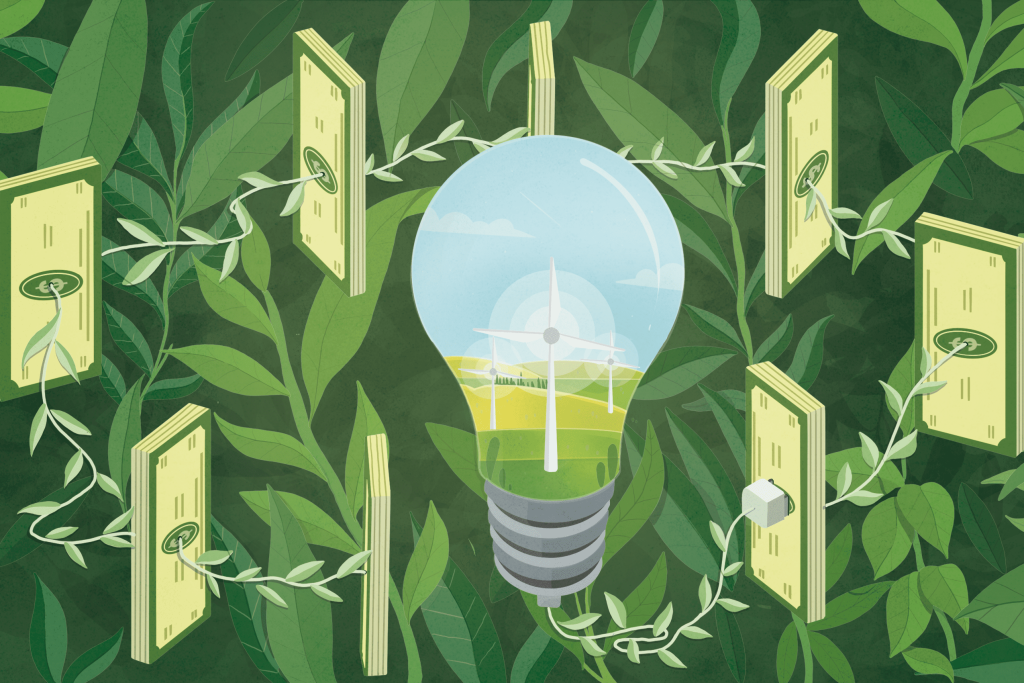
When considering upgrades to make your home more sustainable, it's essential to comprehend the financial incentives provided through energy tax credits and deductions.
These tax cuts are designed to encourage homeowners to invest in renewable energy sources and energy-efficient upgrades, ultimately leading to decreased fossil fuel consumption and a reduced carbon footprint.
One of the primary forms of incentives available is the Investment Tax Credit (ITC) for solar energy systems. As of recent legislation, homeowners can claim a substantial percentage of their solar panel installation costs as a credit. Complementing these, there are multiple deductions and local incentives available, often varying by state.
The distinction between credits and deductions
Understanding the difference between energy tax credits and deductions is vital for making strategic home investment decisions. While both offer financial relief, they function differently within the tax framework.
An energy tax credit directly reduces the amount of tax you owe, offering a dollar-for-dollar tax reduction. This means that if you have $1,000 in credits, your tax bill is reduced by the same amount.
While credits are typically more advantageous than deductions due to their direct impact on reducing taxes, it's essential to consider the long-term benefits of each. For instance, investing in a solar energy system could yield a significant credit on your federal taxes, driving immediate financial benefits.
Available federal incentives
The Energy Policy Act and subsequent amendments have introduced a variety of federal incentives aimed at reducing the cost burden for homeowners adopting renewable energy technologies.
The Residential Clean Energy Credit, for example, allows you to claim a significant percentage of the cost of renewable energy systems like solar, wind, or geothermal installations.
These federal incentives are crucial for accelerating the shift toward clean energy, making it more accessible and financially viable for homeowners. The recently extended Residential Energy Efficient Property Credit illustrates the commitment to promoting renewable sources, offering credits up to 30% of the installation costs.
Steps to claim your energy tax benefits
Navigating the process of claiming energy tax benefits can seem daunting, but a systematic approach simplifies the ordeal significantly. Start by compiling a list of potential upgrades you wish to undertake, aligning them with federal and state incentives eligibility criteria.
Detailed research will reveal which modifications fall under current beneficial programs. The next step involves meticulous record-keeping. Save all receipts and documents associated with the energy-efficient installations or upgrades.
Proper documentation is not only necessary for claiming the credit or deduction but also serves as evidence in case of audits. The IRS has specific forms, such as Form 5695 for Residential Energy Credits, which need to be completed accurately.
Common mistakes to avoid
While pursuing energy tax benefits, some common pitfalls can hinder the process. A frequent mistake is neglecting to verify eligibility requirements before purchasing or installing energy-efficient products.
Many homeowners forget that not all products qualify for credits or deductions. Therefore, confirming the certification and eligibility for specific tax benefits is crucial prior to making investments.
Another misstep often involves incorrect or incomplete documentation. Inadequately maintaining records of expenses can result in disqualification from receiving a tax benefit. It is essential to keep thorough records, including receipts, product certifications, and manufacturer statements, to substantiate claims during audits.
Maximizing long-term benefits
Maximizing the long-term benefits of energy tax incentives requires strategic planning and foresight. By aligning home improvement projects with ongoing and future incentives, homeowners can optimize both their environmental impact and financial savings..
In addition to prioritizing high-impact upgrades, integrating energy management systems like smart home technology helps monitor energy usage efficiently, further lowering costs and enhancing sustainability. Combining these technological advancements with tax incentives provides a robust foundation for long-term energy savings.