
How to build a good credit history in the U.S.: Essential tips for financial success
Discover essential tips for building a good credit history for financial success in the U.S.!
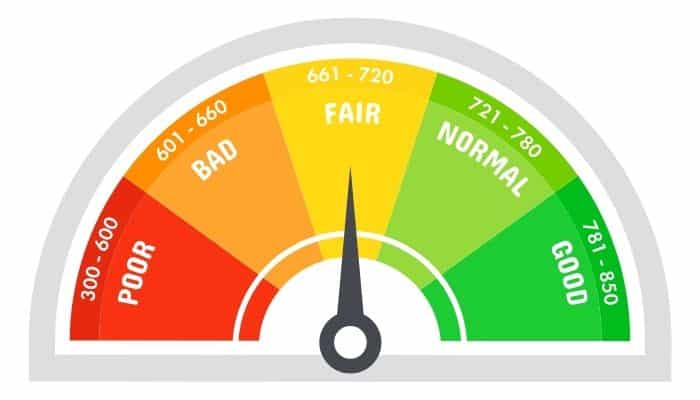
Building a good credit history in the U.S. is pivotal for anyone looking to secure a stable financial future. Your credit report serves as a snapshot of your financial responsibility and is crucial for obtaining loans, credit cards, and even housing.
Therefore, understanding how to establish and maintain a positive credit profile can open doors to numerous opportunities. In this guide, we'll elaborate on essential strategies and insights necessary for crafting a stellar credit record. Let’s explore how you can cultivate a reliable credit history, paving the way for financial success.
Understanding credit reports and scores

Before diving into ways to improve your credit, it’s important to know exactly what credit reports and scores entail. A credit report is a detailed record of your past borrowing and repayment activities, collected by credit bureaus like Equifax, Experian, and TransUnion. This document includes information such as your loan amounts, payment history, and any accounts in collections.
Several factors contribute to your overall score, including payment history, amounts owed, length of credit history, new credit, and the types of credit used. Payment history and amounts owed together account for 65% of your score, making timely payments and maintaining a low balance pivotal.
Establishing an initial credit record
If you’re new to credit, the first hurdle is establishing an initial record. One way to do this is by applying for a secured credit card. These cards require an upfront deposit that acts as your credit limit, lowering the risk for creditors and helping you demonstrate financial responsibility. Consistently using and paying off a secured card can set a solid base for your credit history.
Taking out small, manageable loans is another avenue to initiate your credit history. Consider applying for a small personal loan or a credit-builder loan, often available through community banks and credit unions. These financial products are designed to boost your credit while allowing you to demonstrate your ability to make timely payments.
Maintaining and improving your credit history
Once you have established your credit, maintaining and continually improving your history is essential. The most critical factor in fostering a positive credit record is making timely payments.
Set up payment reminders or automate your payments to ensure you meet your obligations each month. Another crucial strategy is managing your credit utilization ratio, which is the percentage of your available credit you are using.
Keeping this ratio below 30% is typically recommended, as higher utilization can negatively impact your score. If you find yourself approaching this threshold, consider requesting a credit limit increase from your issuer or paying down your balances more aggressively.
The benefits of a strong credit history
Establishing and maintaining a robust credit history provides a plethora of benefits that extend beyond just obtaining loans. A high credit score often equates to lower interest rates on mortgages, car loans, and other financing options, which can save you significant money over time.
Besides financial products, credit scores can affect other aspects of your life. Landlords frequently check credit reports when considering rental applications, using them as a measure of reliability. A good score can, therefore, simplify the process of discovering and securing the ideal living arrangement.
Long-term credit strategy
To sustainably benefit from good credit, it’s wise to adopt a long-term strategy. Start by setting specific credit goals. Whether it’s buying a house or qualifying for a premium credit card, having clear objectives helps direct your credit-building efforts. Regularly assess your financial progress and adjust strategies as necessary to maintain or exceed your goals.
Another essential component of a long-term strategy is to remain informed about changes in credit reporting and scoring criteria. Financial institutions and credit bureaus periodically update policies and scoring models. Staying informed about these changes can help you adapt your credit-building efforts effectively.
The role of responsible credit behavior
Responsible credit behavior is the backbone of a favorable credit history. This involves more than just timely payments. It encompasses all aspects of credit use, from understanding the terms and conditions of your financial products to practicing restraint when it comes to new credit applications.
Furthermore, when considering new lines of credit, evaluate not just immediate needs but also how these new obligations fit into your broader financial picture. Apply for credit only when absolutely necessary, and ensure that any new debt aligns with your budget and financial goals. This careful management helps keep your debt levels sustainable and your credit score healthy.