
Exploring investments in commodities: Gold, oil, and other assets in the USA
Discover smart strategies for investing in gold, oil, and other commodities!

In the realm of financial ventures, exploring investments in commodities such as gold, oil, and other assets in the USA is a captivating endeavor. These resources have long been viewed as reliable hedges against market fluctuations and inflation. Commodities provide a tangible way for investors to diversify their portfolios beyond traditional stocks and bonds.
By delving into this world, individuals can better understand the dynamics that drive these markets and potentially enhance their financial strategies. The allure of commodities like gold and oil lies in their intrinsic value and often global demand. As we explore these opportunities, understanding the unique characteristics and advantages these assets offer can aid in making informed investment decisions.
Why consider commodities?
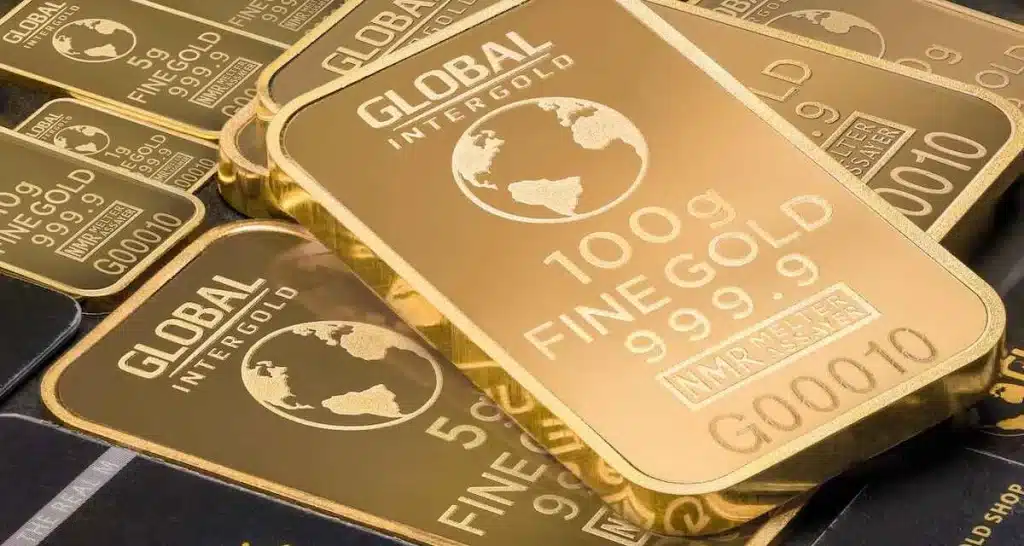
The allure of commodities as investment assets is deeply rooted in their ability to hedge against inflation and market volatility. Unlike paper assets, such as stocks and bonds, commodities are tangible items that tend to retain value over time. Gold, for instance, is often seen as a safe haven during economic downturns, given its historical stability and universal acceptability.
Similarly, oil is a crucial economic resource, with its demand influencing global markets. By investing in these resources, individuals can shield their portfolios from the adverse effects of market fluctuations. Moreover, the commodity sector can offer exposure to emerging markets, enhancing the potential for substantial returns as global economies develop.
Investing in gold
Gold stands out as a favorite among investors for its intrinsic value and historical significance. Serving as currency for centuries, this precious metal is widely regarded as a store of value. Gold's appeal grows in times of uncertainty when traditional markets are volatile. It acts as a financial safety net, maintaining its worth even during economic crises.
Investors can access gold through various means, such as buying physical bars, coins, exchange-traded funds (ETFs), or stocks in gold mining companies. Each method offers distinct advantages and poses different levels of risk, making it crucial for individuals to assess their investment strategy and risk tolerance when opting for gold assets.
Investing in oil
Oil is a cornerstone of global industry and remains a vital component of energy production. This commodity's value is largely influenced by geopolitical factors, supply constraints, and demand dynamics. Investors drawn to oil typically engage in futures contracts, oil-related stocks, and ETFs.
Price fluctuations offer potential rewards but come with heightened risks, necessitating a keen awareness of market trends and international developments. The oil sector's complexity demands a strategic approach, where informed predictions can yield significant returns.
Diversifying with other assets
Beyond gold and oil, other assets within the commodity sector present unique investment opportunities. Metals such as silver, platinum, and copper possess industrial and investment value. Agricultural commodities, including wheat, sugar, and coffee, are integral to global food supply chains. These resources offer avenues for portfolio diversification, particularly when markets exhibit fluctuations.
By investing in a broader array of tangible assets, individuals can mitigate risks associated with reliance on a single commodity. Diversified commodity portfolios can provide stability, especially when alternative markets, such as equities, face economic headwinds. Understanding the dynamics of these other asset classes can enhance an investor's strategic outlook.
Exploring agricultural commodities
Agricultural resources play a vital role in the global economy. These commodities often exhibit distinct pricing patterns influenced by weather conditions, crop yields, and geopolitical factors. For investors, this sector offers a chance to engage with assets tied to essential human needs. Wheat, for example, is vital for food security, while coffee is central to global trade.
Markets for these products can be volatile, requiring an understanding of environmental and supply chain dynamics. Investors can gain exposure through futures contracts, agribusiness stocks, or ETFs. Navigating agriculture investments demands a strategic approach, but their fundamental importance in daily life can yield potential returns when managed wisely.
Delving into industrial metals
Industrial metals form the backbone of manufacturing and technological advancement. Copper, silver, and aluminum are crucial resources for construction, electronics, and renewable energy infrastructures. These commodities are not only integral to industry but also hold investment potential due to their demand-driven nature.
Fluctuations in global economic growth and technological innovations can directly impact their value. Investing in industrial metals requires a grasp of industry trends and economic indicators, making it a nuanced but rewarding aspect of commodities trading.